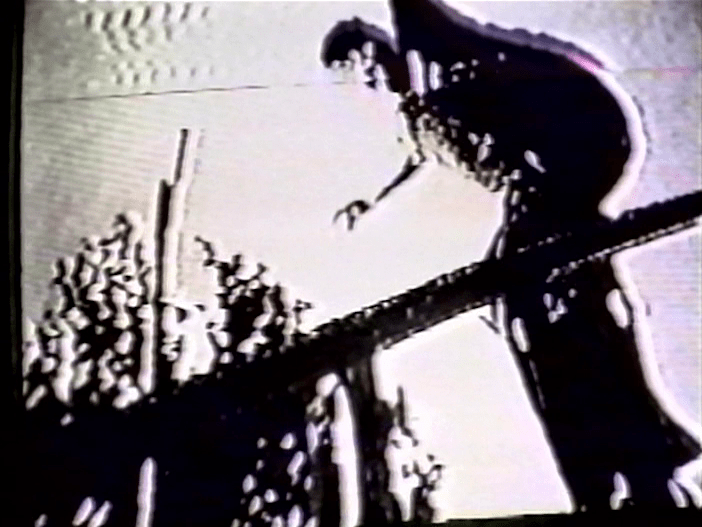

Even with age I always found myself drawn towards more punk sensibilities. Although a film such as Repo Man is more grating to me with age, with its punk attitude being done in a more immature way, there is the appeal of chasing your own identity among the pressures of the societal hierarchy. It is the central basis of what many go through during their youth, with some having to “sell out” to said hierarchy, rendering them unable to chase their dreams, regardless of the amount of talent. This film, Memory Screen, perfectly showcases what happens when one chases said dreams, utilizing a more “fuck you” attitude to ensure that they are achieved, and its life affirming nature. The filmmaking techniques of this film show how both avant-garde cinema and skateboarding fits into similar themes.
The Technical Chaos of the Avant-Garde
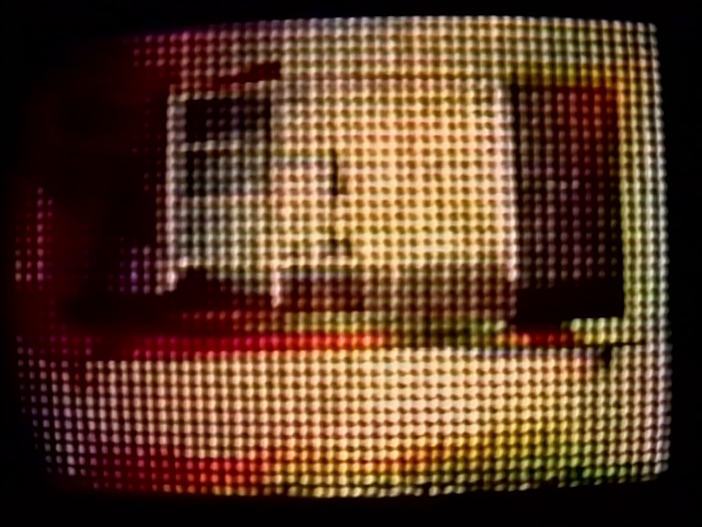
A certain roughness defines its exterior, especially when one is unaware of the intricacies of experimental film. This film employs many different uses of cameras, including fisheye lenses and filters, and editing tricks to make the footage itself seem broken. It is an onslaught of the senses, meant to give a visceral reaction. It is one that people who are part of the conformity will be unaware of the talent involved to create something like this. Being one that is a fan of experimental filmmaking, it is clear that they have utilized a lot of effort and skill in a technical sense, using the rhythm of the music, or the tricks themselves, to its utmost effect. But, there is also the more visceral and emotional aspect. As there is the emphasis placed on the music with the various editing approaches, both become even more effective. When there are loops of the same skateboarding trick alongside Elton John’s Rocketman playing, it shows the simple message of achieving your dreams through the simple use of editing, rather than explicitly stated through dialogue in its narrative. It emphasizes the achievement of accomplishing the one difficult trick after all of the practice involved. The overall aesthetic, and the use of editing and the act of skateboarding itself are what inspired Harmony Korine to create his cult classic Gummo.
The Beauty of the Mistake
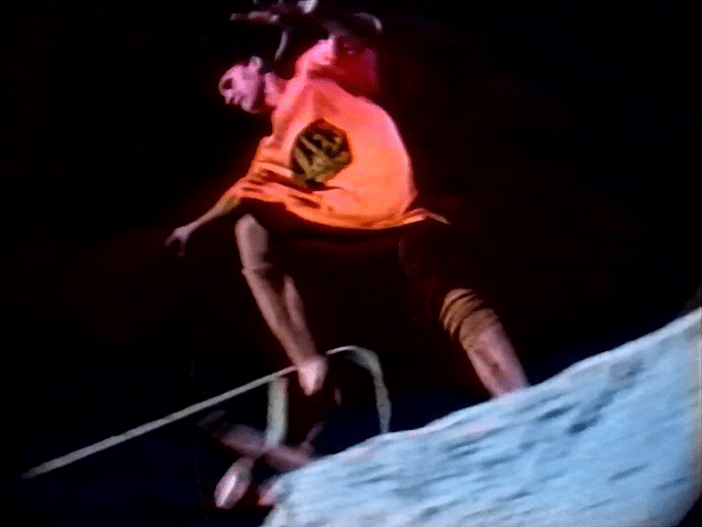
This roughness is applied towards the skateboarding itself. Some mistakes are shown, and the above editing tricks make it seem like the act of skateboarding is a chaotic and unnecessary venture. Like with experimental film, those who are unaware of skateboarding can easily dismiss the talent involved with this. However, even with me not being familiar with skateboarding, it makes me appreciate it solely through how it uses emotion. Through the uses of mistakes, through the fantastic experimental techniques used, through its rough yet talented music, it shows how any downfall one makes towards reaching their dreams is still progress, and not a downfall. It’s not a failure to get back up and try again.
Redefining the Inspirational Sports Film
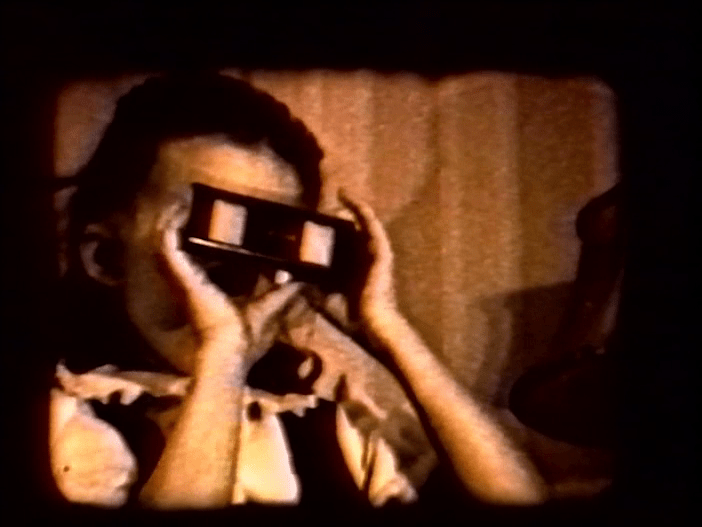
Because of these aspects, this makes for an incredibly life affirming film. Many inspirational sports films aim for a similar message; however, they utilize various tropes that come across as manipulative. Ones that aim for tactics such as a romantic interest, rivalries, injuries, and even death to ensure that the viewer is invested, even if they’re not accurate. This film showcases the various aspects of chasing your dreams in its music, filmmaking, and the sport itself. Yes, it can be rough, like any sport or art, and mistakes are made. Yet, in the end, it is your own journey. The exterior events may shape us, but it’s looking past the societal hierarchy that counts. Not only is this a more accessible entryway towards avant-garde films, but this should be the inspirational essential sports film.
 Auteur Outlier
Leave a comment