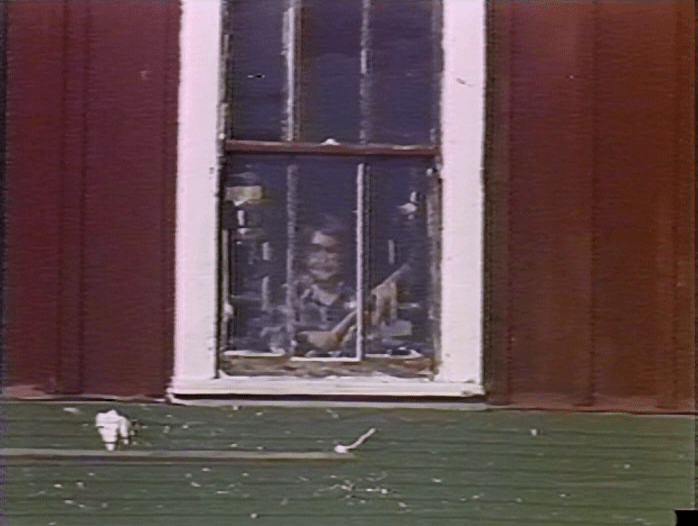

October is the season for horror marathons. Many terms are used to describe these marathons on websites such as Letterboxd, with the common ones being Falloween and Hooptober. As a former arthouse-exclusive cinephile, I found myself eventually drawn towards horror films. Many are statements on social movements during the time, some are highly stylized pieces of work, and some work purely through an emotional level, as the pure horror film. This list will explore the five best films I’ve seen through my marathons. These are horrors that consist of a vast array of different styles, making for a satisfying and original list.
Though it would have been #1, I have chosen not to include Radu Jude’s masterpiece Dracula as I believe that does not fall into the horror umbrella, despite its use of the titular character.
5. Six She’s and a He (1963) – Richard S. Flink
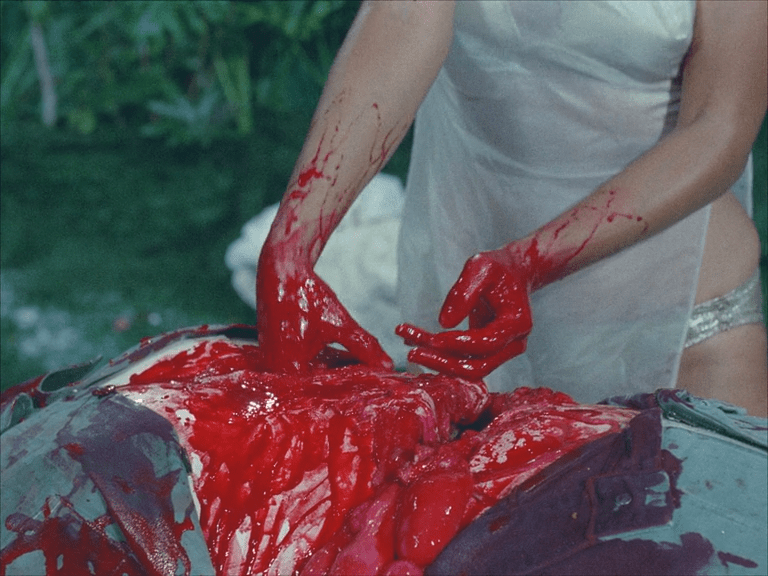
Not only a subversive piece of work when you consider the movement during the time (the sexual revolution of the early 60s, the more whole nudie cuties), but one that was transgressive in a more regressive manner. A film meant to invoke fear into the male audience regarding how women are viewed post-sexual revolution. In this film, a man crashes his ship and ends up on an island that consists of an all-women tribe. They are primitive due to ignoring the conservative values, force men to work the fields, rape them, and even do rituals. The summary of this film is basically “women are scary.” An incredibly offensive film that I can’t agree with, yet one that works as a fascinating historical document. On top of this aspect, the director, Richard S. Flink, was the star of Herschell Gordon Lewis’s debut film Blood Feast, and like that film this contains an early example of gore. It’s a fascinating combination, and due to the use of gore being a newer concept in film, it made this film even more effective as fearmongering propaganda. The nuclear family is dying, and fear must be invoked to men in doing their best to conserve it.
4. Dark Waters (1993) – Mariano Baino
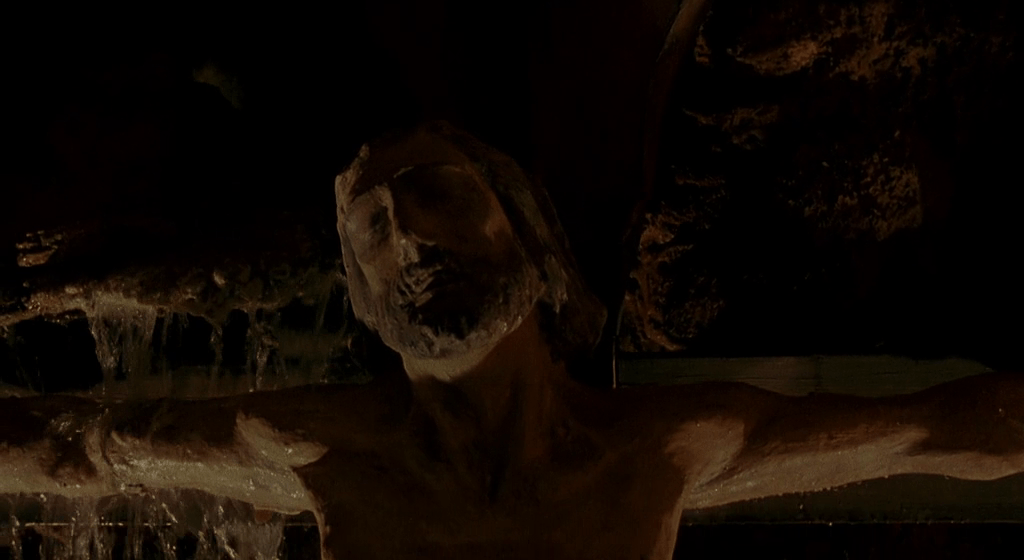
A young woman travels to a remote island to a convent, investigating the reason for her dead Father’s payments, and uncovers an ancient evil lurking beneath. Italian horror tends to aim for aspects that are polarizing to many, myself included. They focus on atmosphere and style, yet the use of dubbed actors, and the underwhelming sense of plot that is still in the forefront of their films are underwhelming. This is strange as it is made by an Italian director, yet is one that is filmed in Crimea. Because of this it aims for a different aesthetic. The bisexual lighting is no longer here. Instead it aims for the brown dimly lit caves. Just from the use of location it gives a different, more claustrophobic aesthetic that was more effective. The performances work better as well. It is clear that most of the cast speak little to no English, and were taught the words phonetically. It makes the dialogue seem “off”, giving a very effective use of the “nothing is right in this town” trope that horror films use frequently. What makes this truly shine is how effective it is through a pure horror standpoint. There are no jump scares, yet the heretical imagery they use based on its setting are more effective than the usual cases of this subgenre. The sound design is impeccable. Lots of layers of whispering which comes down to being very high pitched to sounds in slow motion, reduced to a very low pitched drawl. The contrast between the two will make one’s arm hairs raise in goosebumps.
3. Sledgehammer (1983) – David A. Prior
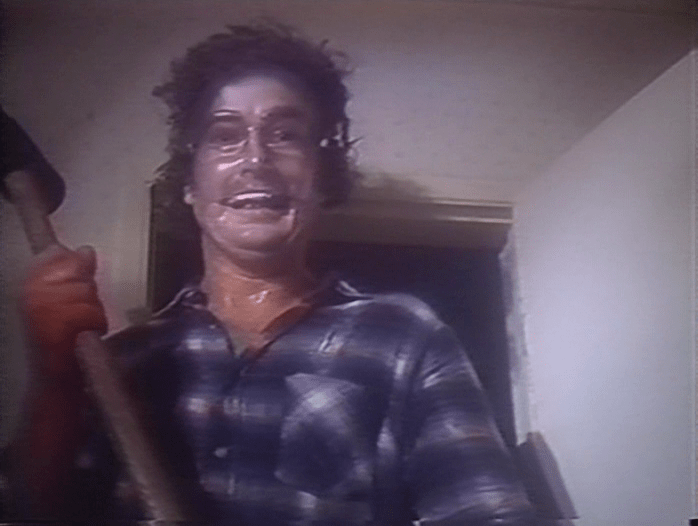
A group of teenagers taking a weekend getaway in a house where a child was abused. He, or his ghost, ends up killing the teens one by one. One of the most fascinating aspects of SOV (Shot-on-Video) horror of the 80s is when they reach the point of experimental cinema. Ineptitude where aspects such as providing filler, amateurish editing and acting styles, and attempts at symbolism results in true avant-garde cinema. This film is one of these cases. This film had a constant use of tension created by its nightmarish feel. The shots last for way too long; the casting choices consist of people clearly in their late 30s to early 40s playing university students; and the use of long slow motion alone gave this uneasy feeling. This is before all the horror aspects come in. It gives a sense of nightmare logic. The physical embodiment of the killer changes over time, with him changing age, or his weapon popping in out of nowhere and disappearing. When he comes in, it gives this dark ethereal feel akin to Pyun’s editing style, and the droning musical score gives a combination that will completely drain you, despite how little content the film itself has. This is a shining example of how effective form can be, even if it was unintentionally done.
2. Ataraxia (2025) – Joe Meredith
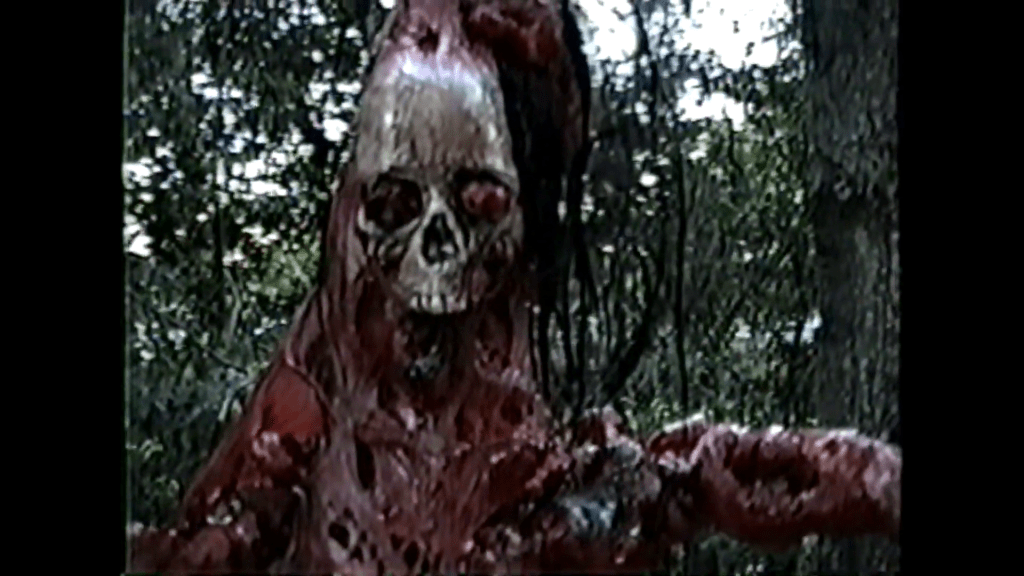
The end of the world is happening, as shown through this zero-budget yet symbolic-heavy aesthetic. This is a 22-minute short which you can access through YouTube. Joe Meredith is known for doing shorter analog horror films based on body horror with the use of practical effects. Although they can be quite effective in atmosphere, the use of a more “realistic” aspect of them can be a contrast that comes across as a bit silly. This is due to the fact that the films are zero-budget, so amateur acting and some practical effects not being convincing comes with the territory. The reason why I found this to be a masterpiece is the fact that it’s a horror that reaches the point of pure abstraction. The body horror at the beginning fell for that silly territory, yet the rest aims for religious symbolism. The use of the Sodom and Gomorrah allegory with the rain, the foretelling of the return of the angel of the highest order, the crucifixion of gore, and finally what is a compelling final sequence that is jaw dropping despite its low budget. God wants the world to end, which consists of the cleansing of the Earth, and for the world to reach its next step.
1. Silent Night Deadly Night 4: Initiation (1990) – Brian Yuzna
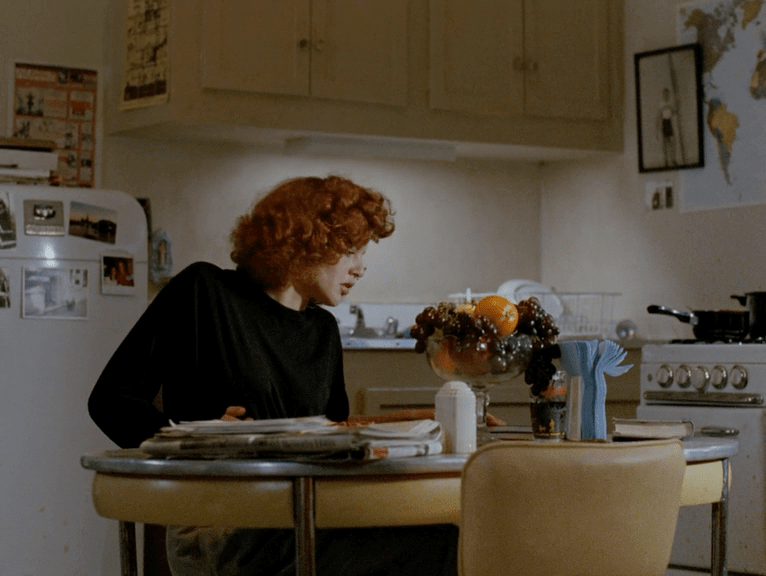
An investigative journalist finds out about a coven of witches, and goes too deep into the rabbithole. I did talk about this in my previous article which can be seen here. A film so rife with misogyny, showcasing how evil the witches are for sacrifices and taking advantage of men, is one that goes full circle and establishes womanhood as empowering. The protagonist using her newfound powers to stand up for herself. This is a more minor yet important aspect for this film, as it shows the sacrifice required for this. The way to stand up for herself was to overcome her fear, and therein lies the one that forever haunts her apartment: bugs. The body horror related to them, thanks to the fantastic work of Screaming Mad George, leads to the grossest and most disturbing bug scenes I have ever seen. It was even more effective than in Brian’s well-praised film Society. It’s done in a way that shows she must overcome her fears through them growing and absorbing it out of her body. The intensity slowly builds up, and culminates into a great combination of this, and the more extreme steps being involved. This is horror at its most purest, and a great combination of the form of the visceral reaction of horror, and the content of the social implication of the film’s views. It is simply a masterpiece.
Horror comes in many forms. The high budget pictures, the kitsch propaganda, the avant-garde, and into the abstract form. I am quite happy with the variety of this month’s best, and with these films being prime examples of horror filmmaking, they will remain in my overall canon for years to come.
 Auteur Outlier
Leave a comment